What is a PEO? A Comprehensive Guide for Employers
In 2026, the rapidly transforming business environment means that running a company involves more than just selling products or services. Running an organization requires fulfilling complex human resources (HR) functions, ensuring regulatory compliance and effective payroll management with competitive benefits—all while scaling your business. This layered approach can confuse many employers. Enter the Professional Employer Organization (PEO), an unsung hero and valuable partner in today’s business landscape.
At EDP Services, we have experienced firsthand how aligning with the right PEO can transform a company’s operational functionality. This allows them to focus on growth and success without getting bogged down by the complexities of HR management.
What is a PEO?
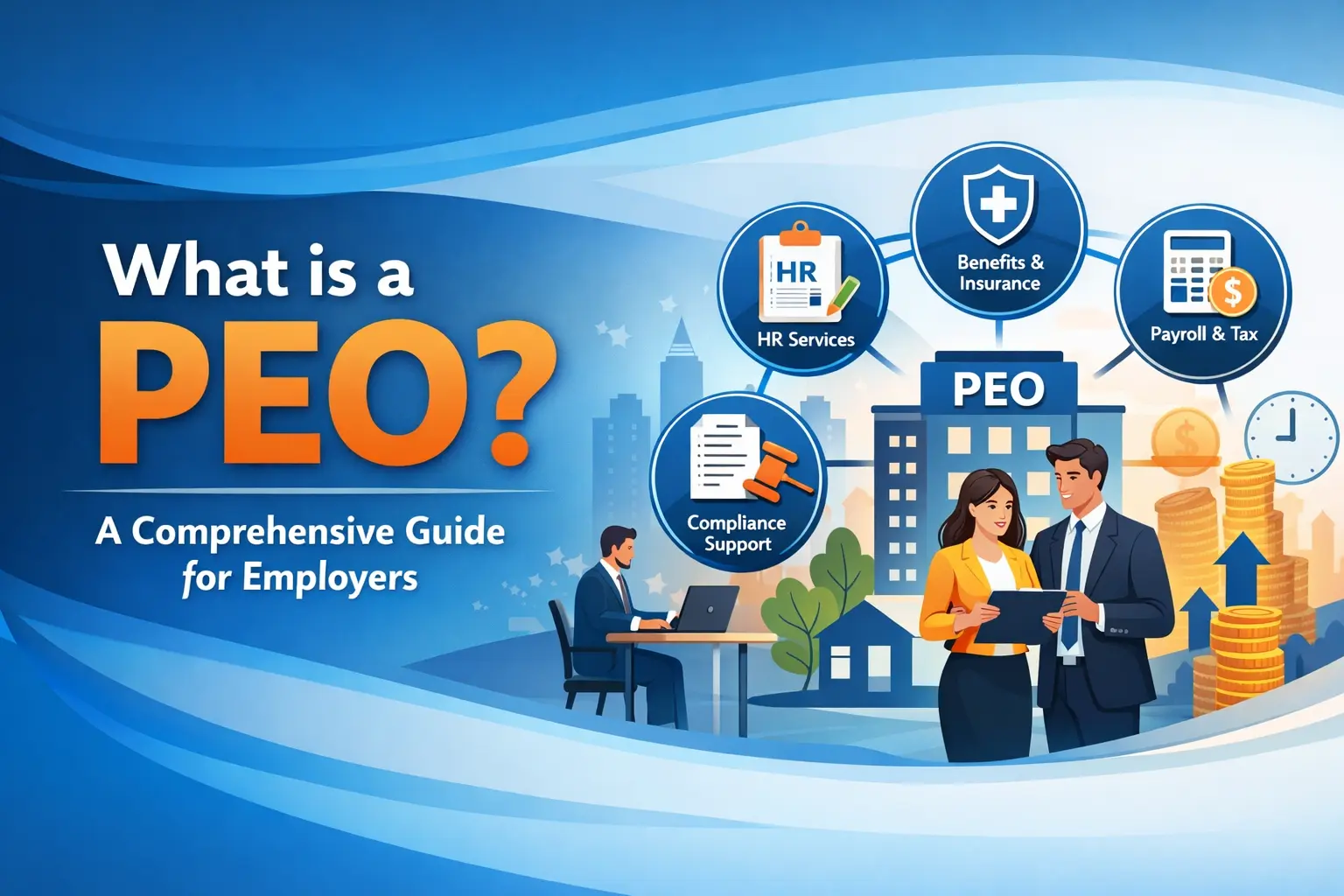
Professional Employer Organization (PEO): A PEO (Professional employer organization) is a type of partner for companies, delivering important HR functions such as payroll processing, compliance, employee benefits, and risk management. A PEO is a trusted partner that manages most of the back-office work while you, as a business owner, maintain oversight of day-to-day operations and strategic decisions.
How Does a PEO Work? The Co-Employment Model
Understanding Co-Employment: One of the most critical attributes of a PEO is co-employment. Under a PEO, business owners maintain control of day-to-day operations as well as hiring and firing employees and company culture while the PEO manages administrative functions.
Your Watch: You drive operational decisions, employee performance, and business strategy.
PEO helps workers with: Payroll, taxes, and compliance with employment laws as well.
In other words, a PEO is your co-pilot — you can scale up your business and let the HR engine run in the background.
Responsibilities of Employers and PEOs
A co-employment arrangement. As the PEO works hand-in-hand with your business, you are still responsible for ensuring business goals and objectives, while the PEO is or can become your employer of record to manage administrative and compliance-related work. By clearly defining who does what, we were able to reduce the administrative burden of the workload and improve our compliance with labor law.
In 2026, Why PEOs Are Popular
It is now 2026, and the world of business has transformed into a fast-paced, hyper-regulated environment with cutthroat competition. New labor laws and remote work trends, growing global talent pools, and rising expectations within the workforce force many businesses to rethink how they’re approaching HR functions.
PEOs are popular as they:
- Minimize compliance risks.
- Accelerate business scaling.
- Allow for remote and hybrid work environments.
- Help reduce HR costs.
PEOs make it easier for companies to flourish in a complex, rapidly changing world.
Key Services Provided by PEOs
Payroll Processing:
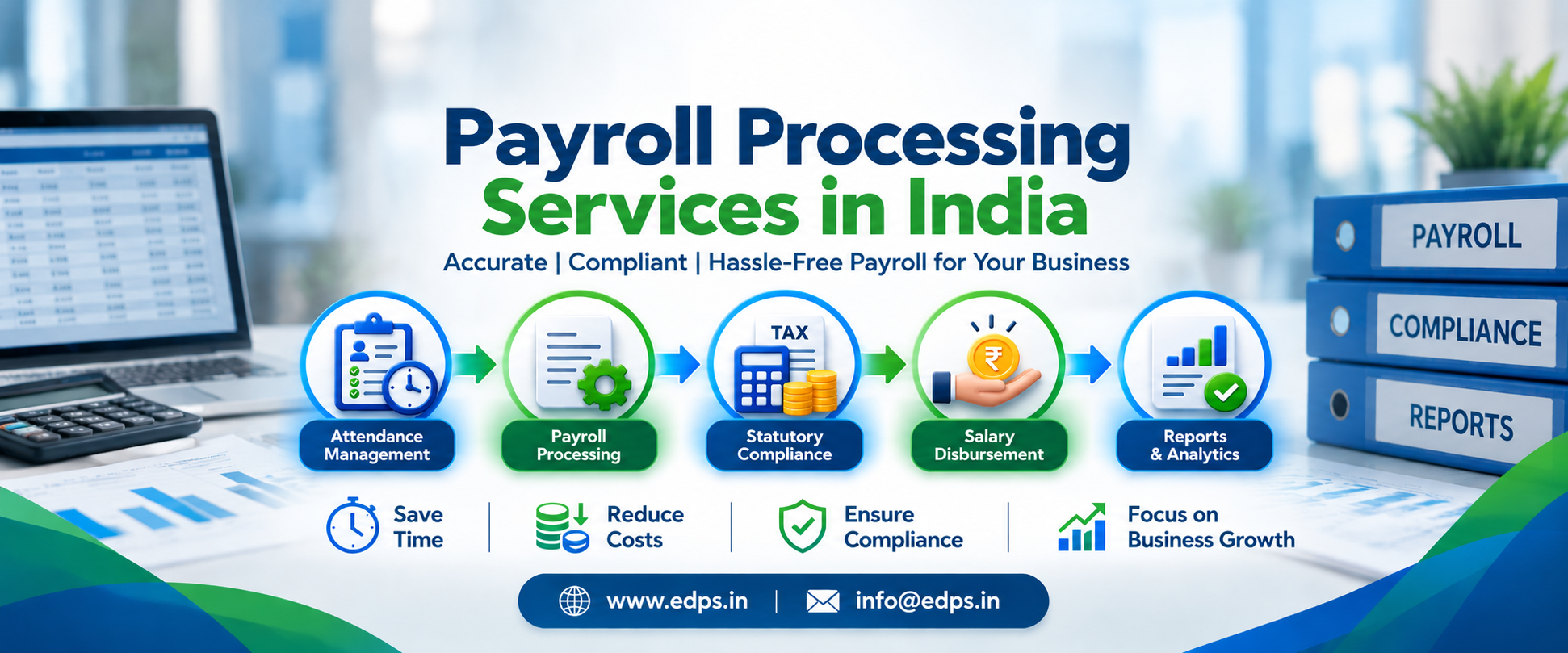
Businesses must implement payroll correctly. PEOs handle payroll—ensuring taxes are filed, statutory filings are accurate, and employees are paid timely.
Human Resource Management:
From onboarding to employee performance and policy formulation, down to offboarding processes, PEOs manage end-to-end HR operations.
Employee Benefits Administration:
PEOs offer one of the greatest advantages: competitive employee benefits. PEOs make some of those benefits available by providing health insurance, retirement plan options, wellness plans, and more. Such benefits are typically out of reach for small- and medium-sized companies.
Compliance & Risk Management:
Labor laws are always changing, and compliance can be stressful. PEOs stay updated on these changes and lower fines.
Talent Management & HR Technology:
Many PEOs also provide sophisticated HR tech systems that companies can use to monitor performance and attendance, mine data, etc., enabling them to automate HR tasks and drive analytics into how people perform.
Why Use a PEO?
Cost Savings:
PEOs provide cost savings – By using a PEO to outsource HR functions, companies can achieve dramatically lower overall payroll, compliance, and benefits administration costs than they would face if keeping these resources in-house.
Time Efficiency:
By outsourcing these responsibilities to a PEO, a business owner or leader can spend more time focusing on growth strategies, innovations, and long-term planning.
Access to Competitive Benefits:
Access to Employee Benefits of Higher Quality: This is especially useful in the case of SMEs (small and mid-sized enterprises), which have previously only had access to employee benefits that were lower quality than those provided by larger corporations. This allows businesses to attract the best talent and retain them.
PEO vs. Traditional HR Outsourcing
Ordinarily with HR outsourcing, the company would contract out individual functions such as payroll or benefits administration. A PEO offers a fully managed, integrated approach to HR. The PEO model is a shared responsibility model that develops a win-win partnership where business can leverage and take advantage of integrated approach.
HR Outsourcing: Specific services (Payroll, compliance, etc.)
PEO: A co-employment relationship where you outsource full-service HR management
PEO vs EoR: How Do They Differ?
In the case of a PEO (professional employer organization), it operates on a co-employment basis whilst EORs are concerned primarily with complying with legal employment obligations. Those contracts will allow the company to conduct EOR services in a country, even if they do not already have their own legal entity established there.
PEO: Collective global partnership with shared competence
EOR: Best for Global Operations with No Legal Presence
Who Should Use a PEO?
Start-ups: PEOs can help start-ups sidestep common HR pitfalls, so they can concentrate on perfecting their business model.
SMEs: PEO services allow small and medium enterprises to remain compliant and have HR professional support without incurring fixed costs of in-house teams.
Scaling Businesses: PEOs provide the right infrastructure for fast-growing organizations looking to scale with little operational hiccups worth of cost.
Will Your Business Partner with a PEO by 2026?
If your organization is struggling with compliance issues, complicated payroll processes, or employee retention problems, a PEO may be the solution. Rather than losing control, a PEO partnership provides the insight and support that allows you to effectively manage your workforce and scale with confidence.
Common Compliance Challenges in 2026
Compliance issues — from staying on top of wage laws to data protection and workplace safety — are always changing, something that poses risks for all businesses. A PEO can help your business remain compliant with the shifting labor legislation, which means that you won’t be punished with costly fines.
Support for Employers With EDP Services: PEO Solutions
EDP Services offers tailored PEO solutions to meet modern business needs. We empower businesses to grow and scale, the right way with compliance expertise, industry-leading HR tech and savviest dedicated support.
Your business is unique and we strive to create partnerships that evolve with you.
Choosing the Right PEO Partner
- Industry experience
- Compliance expertise
- Technology platform
- Price transparency
Peeping into the Do’s before joining a PEO
- What do we do about compliance updates?
- What will your bundles offer as advantages?
- How scalable are your services for the future?
Debunking Common Myths About PEOs
- “I’m about to lose control of my workers” — No way. You have full control over your employees, but the PEO handles administrative functions.
- “My business is too small for a PEO” – Incorrect. PEOs Are Good For All Types Of Business: But Especially SMEs.
- “PEOs are too expensive” – A lot of times quite the opposite. PEOs help reduce your costs by streamlining HR processes.
Looking Ahead to 2026 and Beyond: Future of PEO Services
PEO Trends: Future PEO trends using AI for improved HR Analytics, predictive compliance, and better employee experience. PEO services of the future will be agile, intelligent, and focused on employee experience to enable business growth amidst a shifting workplace.
Conclusion
But a PEO is more than just an HR management solution; it’s your growth partner. By using one, businesses gain access to PEO expertise, resources, and services that streamline them for efficiency and compliance and improve the employee experience. PEO Business Consulting (ABC) will provide you with the competitive edge you need to excel in this ever-complicated business landscape.