
Modern Business Salary Management with Employee Payroll System
Payroll processing is one of the most crucial components of running a business, yet it is often overlooked. Whether you operate a startup with a handful of employees or manage a large enterprise, ensuring employees are paid accurately and on time is essential for maintaining trust, compliance, and satisfaction. As businesses grow, payroll becomes increasingly complex and time-consuming. This article explores the importance of an employee payroll system, its key features, and how it simplifies salary management for modern organizations.
Need for an Effective Payroll System
Consider a rapidly expanding business where the team grows quickly while leadership focuses on scaling operations. Over time, managing payroll manually becomes overwhelming. Errors in payroll can lead to unhappy employees, legal complications, and financial penalties. At this stage, investing in a reliable payroll solution becomes essential.
An efficient payroll system ensures accurate and timely salary processing while maintaining compliance with tax laws and labor regulations. It saves administrative hours, reduces human error, and provides valuable payroll data to support informed decision-making.
What is an Employee Payroll System?
An employee payroll system is software or a service that automates the management of employee salaries, benefits, deductions, bonuses, and taxes. It enables organizations to calculate wages, deduct taxes, and process payments seamlessly. Depending on business size and requirements, payroll systems may be cloud-based, on-premise, or hybrid solutions.
Essential Elements of a Payroll System
- Employee Records Management: Maintains accurate employee details including personal information, bank accounts, tax declarations, and employment history.
- Time and Attendance Tracking: Integrates with attendance tools to track working hours, overtime, and leave records for precise salary calculation.
- Gross Wages Calculation: Calculates wages based on hourly rates, salaries, bonuses, and overtime while applying required deductions.
- Tax Compliance: Automatically calculates and deducts federal, state, and local taxes, including Social Security and Medicare where applicable.
- Benefits Administration: Manages employee benefits such as insurance premiums, retirement contributions, and paid time off.
- Salary Disbursement: Supports multiple payment methods including direct deposit, paychecks, and prepaid cards.
- Payroll Reporting: Generates customizable reports for auditing, compliance, and internal financial analysis.
How Does Payroll Work?
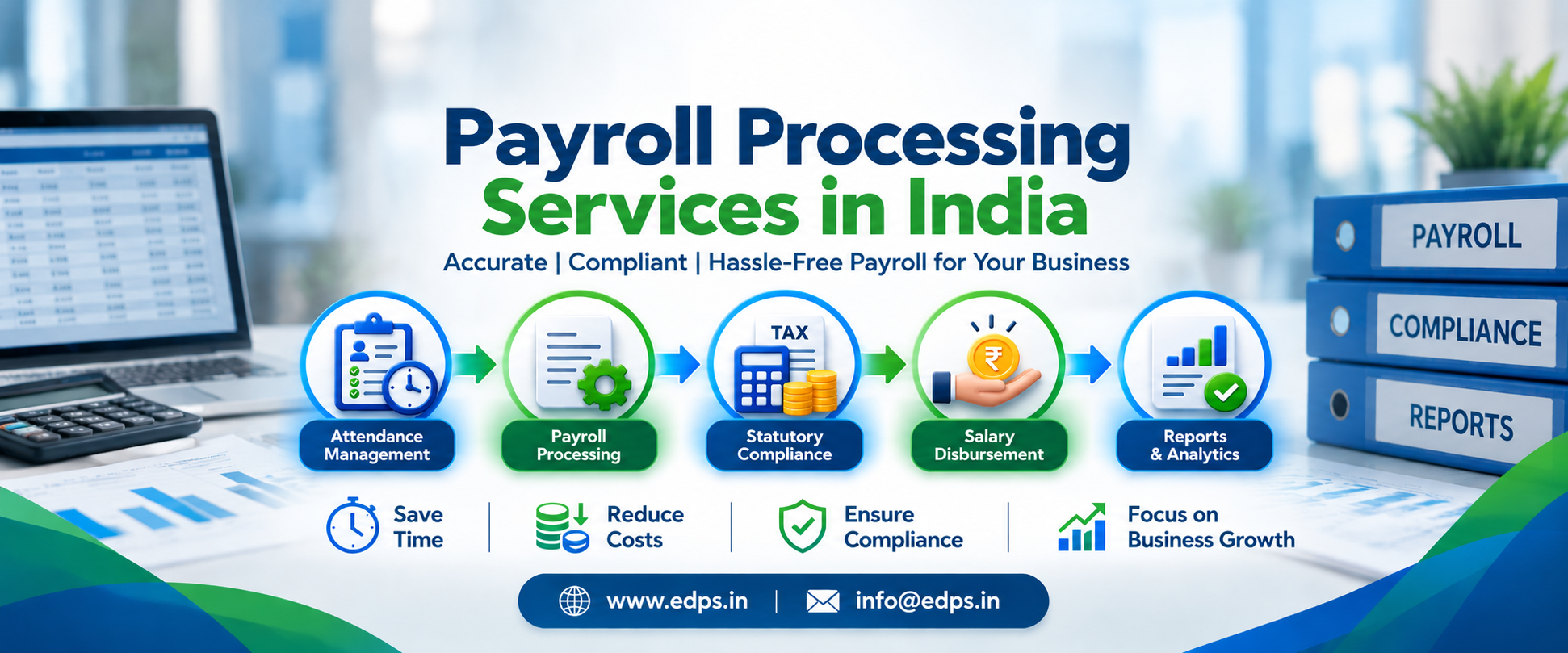
- Gather Employee Information: Collect attendance data, employment contracts, tax forms, and deduction details.
- Calculate Gross Pay: Multiply hours worked by hourly wage or apply fixed salary.
- Apply Deductions: Deduct taxes, retirement contributions, insurance premiums, and other applicable amounts.
- Calculate Net Pay: Determine the final take-home salary after deductions.
- Disburse Payments: Process payments via direct deposit, checks, or other approved methods.
- Generate Reports: Prepare payroll records for compliance and tax filing purposes.
Is Payroll Software Necessary for One Employee?
Even businesses with a single employee can benefit from payroll software. It eliminates manual calculations, minimizes errors, and ensures timely tax compliance. Using payroll software from the beginning saves both time and potential costs associated with mistakes.
Benefits of a Payroll System for Modern Businesses
- Improved Accuracy: Reduces calculation errors and ensures correct payments.
- Time Efficiency: Automates repetitive tasks, allowing HR and management to focus on strategic initiatives.
- Regulatory Compliance: Helps businesses stay aligned with current tax and labor laws.
- Employee Satisfaction: Ensures timely payments and transparent pay slips, strengthening employee trust.
- Scalability: Adapts to growing teams, changing salary structures, and evolving benefits.
Payroll Integration with Advanced POS Systems
In industries such as retail and hospitality, payroll systems often integrate with point-of-sale (POS) systems. This integration aligns employee compensation with recorded working hours, commissions, and sales performance. By connecting sales data with payroll, businesses reduce administrative burden and improve overall accuracy.
Is Payroll Part of HR?
Payroll is typically managed within the HR function, although some organizations outsource it or assign it to the finance department. Since employee compensation is a core HR responsibility, efficient payroll management plays a key role in maintaining morale, satisfaction, and retention.
Conclusion: A Modern-Day Payroll Solution
An employee payroll system is essential for businesses of all sizes. It delivers accuracy, saves time, ensures compliance, improves employee satisfaction, and supports organizational growth. As payroll regulations become more complex, a dependable payroll solution is no longer optional—it is a necessity.
Whether you manage one employee or thousands, investing in the right payroll system is one of the smartest decisions you can make to streamline salary management and focus on growing your business.
Frequently Asked Questions
- Monthly salary processing
- Payslip generation
- Income tax calculations
- Bonus & incentive tracking
- Full & final settlements
It involves the computation of salaries, tracking attendance, managing leaves, and the generation of payslips along with deductions like TDS, PF, ESI, and any applicable bonuses.
Payroll is mostly processed every month, though, depending on the company policy, it can also be processed on a weekly or bi-weekly schedule.
Of course! Most progressive payroll solutions offer integrations with biometric and other electronic attendance systems for attendance tracking. ⏰
Yes, payroll outsourcing is completely legal in India as long as statutory requirements like PF, ESI, TDS, and labor laws are followed correctly.
Startups, SMEs, growing companies, and enterprises with complex compliance needs benefit the most from payroll outsourcing.
Look for compliance expertise, experience, technology platform, data security, client reviews, and transparent pricing.
Yes, most payroll outsourcing companies manage PF, ESI, TDS, professional tax, and labor law compliance.