
What Are HR Policies in India? A Comprehensive Guide for Employers
In every organization, people decisions shape business outcomes. Hiring, attendance, leave, conduct, performance, discipline, and exits are not just operational matters; they influence culture, compliance, and trust. That is exactly where HR policies come in.
HR policies in India provide a formal framework for managing employees fairly, consistently, and lawfully. They help organizations define expectations, reduce ambiguity, support managers in day-to-day decisions, and create a more structured employee experience. Whether you run a startup, a growing business, or a large enterprise, having clearly written HR policies is essential for long-term success.
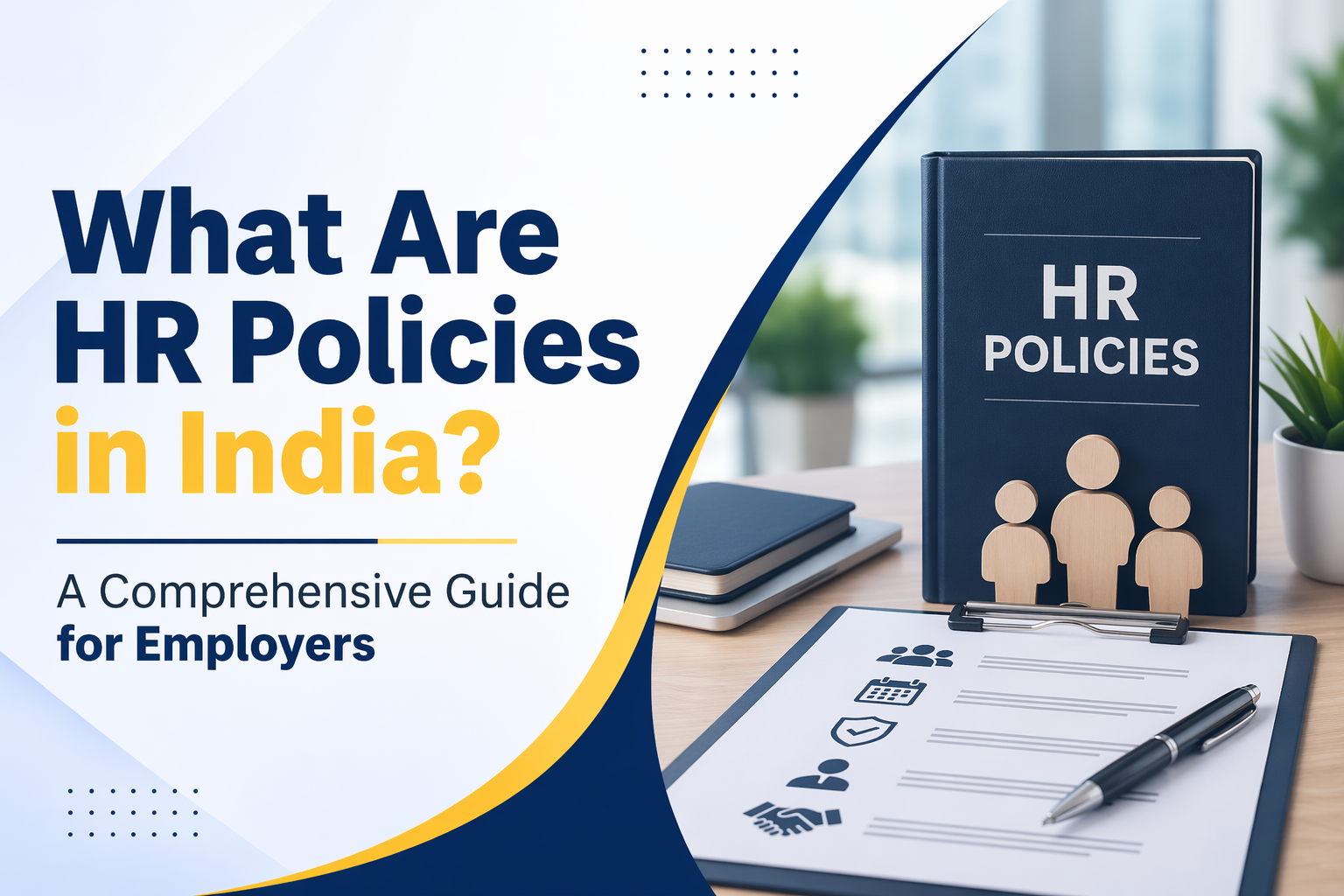
What Are HR Policies in India?
HR policies are formal written guidelines that explain how an organization manages its workforce. They cover key employment-related matters such as recruitment, attendance, leave, workplace conduct, employee benefits, grievance handling, disciplinary action, and employee separation.
What Is the Purpose of HR Policies in an Organization?
The purpose of HR policies is to create consistency, fairness, and clarity across the workplace. They help employees understand expectations and help managers make structured, objective decisions. A good HR policy reduces confusion, builds trust, and supports smoother daily operations.
HR Policies vs. HR Procedures, What Is the Difference?
HR policies explain what the organization expects or allows, while HR procedures explain how those rules are implemented. For example, a leave policy may define leave eligibility, while a leave procedure explains how employees should apply for leave and who approves it.
Why Are HR Policies Important for Companies in India?
Creating Consistency in the Workplace
Without written policies, similar situations may be handled differently by different managers. This can create confusion, frustration, and unfair treatment. HR policies establish a common standard for everyone.
Supporting Compliance and Risk Management
A strong HR policy framework helps businesses align internal practices with applicable employment laws, workplace standards, and employee rights. It also reduces the risk of disputes caused by unclear or undocumented practices.
Improving Employee Experience
Employees feel more secure when they clearly understand leave rules, conduct expectations, appraisal systems, and complaint channels. Transparent HR policies improve communication and workplace trust.
Helping Managers Make Fair Decisions
Managers often deal with sensitive situations, such as attendance issues, disciplinary concerns, or leave requests. HR policies give them a clear reference point and reduce subjective decision-making.
Key Types of HR Policies in India
Recruitment and Hiring Policy
This policy explains how the company manages job approvals, candidate screening, interviews, reference checks, and hiring decisions.
What to Include
Role approval, interview process, selection criteria, documentation requirements, and offer issuance guidelines.
Employee Onboarding Policy
An onboarding policy sets expectations for joining formalities, induction, documentation, probation, and early training.
What to Include
Joining documents, orientation process, probation rules, policy acknowledgment, and reporting structure.
Attendance and Working Hours Policy
This policy defines office timings, shift rules, weekly offs, break periods, punctuality standards, and attendance tracking methods.
What to Include
Working hours, late-mark rules, break timings, attendance system, overtime, and shift applicability.
Leave and Holiday Policy
A leave policy clearly defines leave types, eligibility, approval workflows, carry-forward conditions, and official holiday lists.
What to Include
Casual leave, sick leave, earned leave, public holidays, approval hierarchy, and leave encashment rules.
Code of Conduct Policy
A code of conduct outlines the behavioral standards expected from employees in the workplace. It usually covers ethics, respect, confidentiality, and proper use of company resources.
What to Include
Professional behavior, confidentiality, conflict of interest, respectful communication, and workplace ethics.
Compensation and Payroll Policy
This policy defines salary structure, payroll timelines, reimbursements, deductions, and general payment-related practices.
What to Include
Salary cycle, payslip process, reimbursement rules, bonus criteria, deductions, and final settlement details.
Performance Management Policy
A performance policy explains how goals are set, reviews are conducted, and employee performance is assessed.
What to Include
Review cycle, KPIs, feedback process, appraisal structure, rating system, and development planning.
Remote Work or Work-from-Home Policy
Many modern organizations need a clear remote work policy to define work availability, communication standards, device usage, and data security expectations.
What to Include
Remote eligibility, working hours, response time, equipment use, cybersecurity standards, and reporting rules.
Employee Grievance Policy
A grievance policy provides employees with a formal channel to raise concerns related to workplace treatment, management issues, or conflict.
What to Include
Complaint mechanism, escalation path, review timeline, confidentiality, and resolution framework.
Anti-Harassment and Workplace Behavior Policy
This policy focuses on maintaining a respectful and safe workplace by clearly addressing harassment, misconduct, and inappropriate behavior.
What to Include
Definition of harassment, reporting process, investigation procedure, non-retaliation clause, and disciplinary action.
Disciplinary Action Policy
A disciplinary policy explains how misconduct is addressed, what process is followed, and how fairness is maintained.
What to Include
Types of misconduct, warning process, inquiry steps, documentation, and possible actions.
Exit, Resignation, and Termination Policy
This policy defines how employee separation is managed, from resignation notice periods to final settlement and exit clearance.
What to Include
Notice period, handover process, clearance steps, company asset return, and full-and-final settlement.
What Are the Essential HR Policies Every Indian Company Should Have?
Every company may not need the same level of documentation, but some HR policies are fundamental and should exist in almost every business setup.
Core HR Policies Every Business Should Prioritize
- Leave Policy
- Attendance and Working Hours Policy
- Code of Conduct Policy
- Anti-Harassment Policy
- Grievance Redressal Policy
- Compensation and Payroll Policy
- Performance Management Policy
- Disciplinary Action Policy
- Confidentiality Policy
- Exit and Final Settlement Policy
What Should Be Included in an HR Policy Document?
Policy Purpose
Every HR policy should begin with a clear explanation of why the policy exists and what objective it serves.
Scope and Applicability
The policy should clearly state who it applies to, such as permanent employees, probationers, interns, contractual staff, or remote workers.
Rules and Expectations
This is the core part of the policy. It should explain the standards employees are expected to follow.
Roles and Responsibilities
A strong policy defines the responsibilities of employees, managers, HR teams, and reporting authorities.
Reporting and Escalation Process
Employees should know where to go for approvals, support, or complaint resolution. Clear escalation paths improve accountability.
Consequences of Non-Compliance
The document should mention what may happen if the policy is violated, while ensuring fairness and due process.
Review and Update Timeline
HR policies should be reviewed periodically to keep them aligned with business needs, workforce changes, and legal developments.
How Can Companies Create Effective HR Policies in India?
Identify Business Needs and Workforce Structure
Start by understanding the size, industry, work model, and operational complexity of the organization. A startup and a large enterprise will not need the same level of policy detail.
Align Policies with Company Culture
HR policies should reflect the company’s actual values and work environment. A policy framework must feel practical, not artificial.
Keep the Language Clear and Simple
The best policies are easy to understand. Avoid overly legal wording and focus on clarity, precision, and usability.
Review Policies for Compliance
HR, legal, compliance, and payroll teams should work together to ensure policies align with current obligations and internal processes.
Communicate Policies to Employees
Policies should not remain hidden in folders. Employees should receive, read, and acknowledge the policy handbook.
Train Managers and HR Teams
Managers must understand how to apply policies fairly and consistently, especially in sensitive employee matters.
Update Policies Regularly
Policy reviews should be built into the HR calendar and triggered whenever the business experiences structural, workforce, or operational changes.
What Common Mistakes Do Companies Make with HR Policies?
Using Vague Language
Policies with unclear wording often create confusion and inconsistent implementation.
Copy-Pasting Without Customization
Templates can help, but policies must be tailored to the company’s operations, values, and workforce realities.
Not Training Managers
Even well-written policies can fail if the managers responsible for applying them do not fully understand them.
Failing to Update Outdated Rules
Policies should evolve with the business. Outdated HR documents create both compliance and operational risks.
Poor Communication with Employees
Employees should not discover important rules only when an issue arises. Proactive communication is essential.
HR Policies in India for Startups vs. Large Companies
Startup HR Policy Priorities
Startups should focus on building a practical policy foundation, especially around leave, attendance, conduct, confidentiality, payroll, grievance handling, and exits.
HR Needs of Growing Businesses
As companies scale, policy detail becomes more important. Formal appraisal systems, work-from-home rules, and structured disciplinary processes often become necessary.
Policy Depth Required in Larger Organizations
Large organizations usually require more comprehensive documentation, stronger governance, better controls, and clearly defined approval structures.
How Often Should HR Policies Be Reviewed?
Annual Review
At a minimum, HR policies should be reviewed once every year to ensure they remain relevant and effective.
Review After Business Expansion
If the company opens new offices, enters new markets, or increases workforce size, policies should be reviewed accordingly.
Review After Structural or Workplace Changes
Changes in work models, technology, compliance expectations, or internal processes should trigger policy updates.
FAQs About HR Policies in India
Are HR Policies Mandatory for Every Company in India?
While every company may not be required to maintain the same policy set, having formal HR policies is strongly recommended for operational clarity, consistency, and better workforce management.
What Is the Difference Between an HR Policy and an Employee Handbook?
An HR policy is a single rule or framework, while an employee handbook is a compiled document that contains multiple HR policies in one place.
Which HR Policies Should a Startup Create First?
A startup should begin with leave, attendance, code of conduct, anti-harassment, grievance, payroll, confidentiality, and exit policies.
How Can Companies Communicate HR Policies Effectively?
The best approach includes onboarding sessions, digital access to the handbook, acknowledgment forms, and manager-level communication.
How Often Should HR Policies Be Updated?
HR policies should ideally be reviewed annually and updated whenever the business, workforce, or internal systems change significantly.
Conclusion
HR policies are not just internal documents; they are the foundation of a disciplined, fair, and scalable workplace. In India, strong HR policies help employers create consistency, support better decision-making, improve employee trust, and reduce confusion across the organization.
The real goal is not to create lengthy documents, but to build a policy framework that is clear, practical, aligned with the business, and easy for people to follow. When written thoughtfully, HR policies become a true strategic asset for long-term organizational growth.
Frequently Asked Questions
EDP Services is a leading HR outsourcing and recruitment partner offering end-to-end solutions including payroll, compliance, skill development, and talent acquisition—backed by 29+ years of industry experience.
EDP Services caters to a wide range of organizations including startups, SMEs, large enterprises, across sectors like IT, manufacturing, BFSI, retail, logistics, and more
EDP reduces internal HR workload, ensures legal compliance, improves operational efficiency, and lowers overhead costs—while providing expert HR guidance.
EDP’s approach is strategic—focusing on workforce planning, long-term skill alignment, employer branding, and proactive candidate pipelines.
- Needs analysis
- Customized modules
- Post-training evaluation
- Certification (where applicable)
Yes. The platform uses encryption , two-factor authentication, role-based access, and regular backups to ensure data privacy and security.
- Biometric devices (eSSL, ZKTeco, etc.)
- Accounting software (Tally, QuickBooks)
- Banks (for salary disbursement)
- Government portals (EPFO, ESIC, ITD)
- Email & SMS APIs for alerts