
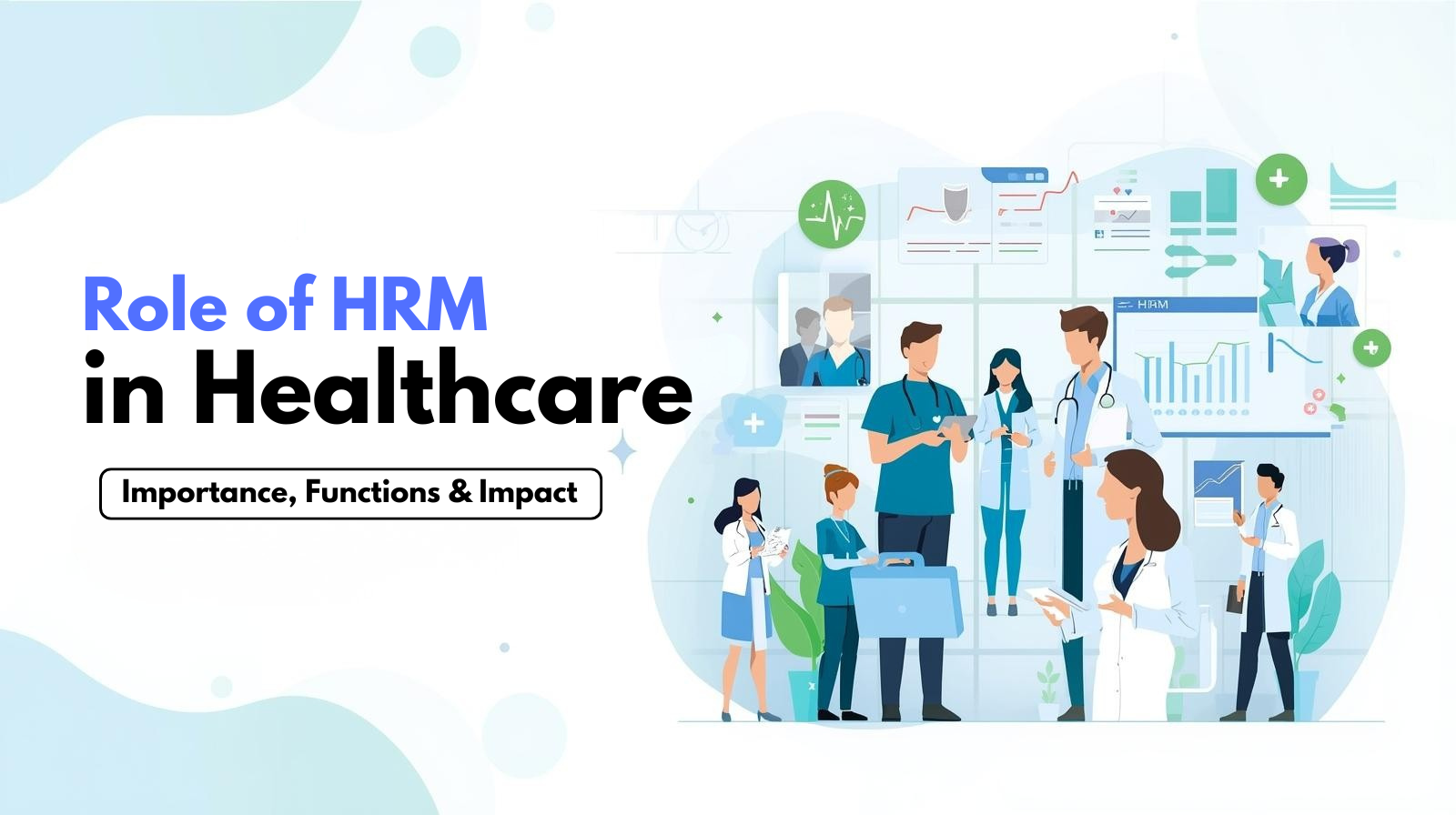
Healthcare is one of the most complex industries in the world because it involves a large number of people. Health care is not a technology-driven industry and relies heavily on doctors, nurses, technicians, administrators, and support staff to provide patient care. An efficient management of this diverse workforce is essential, which is why Human Resources Management (HRM) is so important. Human resource management in healthcare goes beyond hiring and payroll-it directly affects patient outcomes, employee satisfaction, organizational efficiency, and the quality of care.
An overview of the importance, key functions, and impact of Human Resources Management in healthcare organizations is presented in this blog. For a sustainable and high-performing healthcare system, effective human resource management is essential.
Importance of HRM in Healthcare
1. Ensuring Quality Patient Care
In healthcare, people are the ones who provide the services, not machines. Quality of care and patient safety are directly affected by the competence, motivation, and well-being of healthcare professionals. Human resources management is responsible for recruiting, training, and retaining the right people with the right skills.
2. Managing Workforce Shortages
A chronic shortage of qualified nurses and specialists plagues healthcare systems around the world. For addressing staffing gaps and preventing burnout, it is essential to develop recruitment strategies, retention programs, and workforce planning.
3. Compliance with Regulations and Standards
A healthcare organization must comply with labor laws, accreditation standards, ethical guidelines, and regulations regarding patient safety. Compliance with employment laws, licensing requirements, working-hour regulations, and occupational safety and health standards are the responsibilities of HRM.
4. Enhancing Employee Satisfaction and Retention
Physical and emotional demands are part of healthcare work. Employee well-being is addressed through fair compensation, work-life balance initiatives, counseling services, and recognition programs that reduce turnover and absenteeism.
5. Supporting Organizational Goals
Human resource management aligns human resource strategies with healthcare institutions' missions and visions. In addition to cultivating leadership, enhancing productivity, and nurturing teamwork, human resource management contributes to the efficiency and sustainability of an organization.
6. Fostering a Positive Work Culture
A healthy workplace culture is vital in healthcare settings. When staff feel respected, heard, and supported, they are more likely to stay engaged and motivated in their roles. This not only helps attract talented professionals but also keeps teams collaborating and innovating to solve daily challenges.
More importantly, a positive environment translates into better care for patients. Happy, engaged employees communicate more effectively, show greater empathy, and are more attentive to patient needs—all of which contribute to improved patient outcomes and satisfaction. A supportive culture can be the hidden driver behind lower turnover rates, higher morale, and safer, higher-quality care.
Key Functions of HRM in Healthcare
1. Human Resource Planning
Human resource planning involves forecasting staffing needs based on patient volume, services offered, and future expansion plans. HR managers assess current workforce capabilities and plan for future requirements to ensure uninterrupted healthcare delivery.
Example: Planning additional nursing staff during flu seasons or pandemics.
2. Balancing Clinical and Non-Clinical Staffing
HR managers in healthcare organizations play a vital role in balancing the staffing needs of both clinical (such as doctors, nurses, therapists) and non-clinical (such as administrative, billing, and maintenance) teams. This delicate balance is achieved through a combination of strategic workforce planning and ongoing analysis of patient care demands.
To ensure smooth operations, HR routinely assesses current staff allocations and anticipates organizational shifts—like new service lines or fluctuating patient volumes. For example, during peak times such as flu season or major public health events, HR may temporarily increase clinical personnel while also adjusting administrative support levels to maintain efficiency throughout the facility.
Achieving the right mix means that patient care is never compromised due to staffing shortages, and crucial support services run seamlessly. Regular feedback from department leads and data-driven scheduling tools, like Kronos or Workday, help HR monitor workloads and redistribute resources in real time, ensuring neither group becomes overburdened. This structured approach supports a harmonious workplace and keeps patient services and operational needs aligned.
3. Recruitment and Selection
Healthcare recruitment is highly specialized. HRM is responsible for attracting qualified candidates, conducting interviews, verifying credentials, and ensuring compliance with professional standards.
Effective recruitment ensures:
- Skilled and competent staff
- Reduced hiring costs
- Lower turnover rates
- Improved patient satisfaction
4. Training and Development
Continuous learning is essential in healthcare due to rapid technological advancements and evolving medical practices. HRM organizes training programs, workshops, simulations, and continuing medical education (CME) to enhance employees’ skills and knowledge.
Training areas include:
- Clinical skills and patient safety
- Use of medical technology
- Communication and empathy
- Leadership and management
5. Performance Management
Performance appraisal systems evaluate employee effectiveness, identify gaps, and reward excellence. HRM designs fair and transparent performance evaluation methods based on measurable outcomes such as patient care quality, teamwork, and adherence to protocols.
Effective performance management:
- Motivates employees
- Improves accountability
- Enhances service quality
6. Compensation and Benefits Management
Healthcare professionals expect competitive salaries and comprehensive benefits due to their demanding work. HRM ensures equitable compensation structures, incentives, health insurance, retirement plans, and bonuses.
Well-designed compensation systems help:
- Attract top talent
- Improve employee morale
- Reduce turnover
7. Employee Relations and Engagement
Maintaining positive relationships between management and employees is essential in healthcare settings. HRM handles grievances, conflict resolution, communication channels, and employee engagement initiatives to foster a healthy work environment.
8. Health, Safety, and Well-being
Healthcare workers face risks such as infections, stress, long working hours, and emotional exhaustion. HRM implements occupational health and safety policies, mental health support, stress management programs, and wellness initiatives to protect employees.
9. Legal and Ethical Compliance
HRM ensures adherence to labor laws, equal employment opportunities, ethical standards, and patient confidentiality regulations. This reduces legal risks and promotes fairness and transparency in the workplace.
10. Collaborating with IT to Safeguard Privacy
Protecting the confidentiality of patient and employee records is fundamental in healthcare settings. HRM works closely with IT teams to implement robust data security protocols, ensuring compliance with regulations like HIPAA and local privacy laws.
Key collaboration areas include:
- Establishing secure access controls: HR and IT coordinate to define who can access sensitive information, minimizing unauthorized entry.
- Training staff on data privacy: Regular workshops and updates help employees recognize threats like phishing or improper data sharing.
- Data encryption and secure storage: IT handles technical safeguards such as encryption, while HR ensures policies are communicated and followed throughout the workforce.
- Incident response planning: Together, they develop procedures for quickly addressing data breaches or unauthorized disclosures.
By bridging operational processes with technological safeguards, HRM and IT jointly uphold the trust that patients and staff place in their healthcare organization.
Impact of HRM on Healthcare Organizations
1. Improved Patient Outcomes
Well-trained, motivated, and adequately staffed healthcare professionals deliver better patient care. HRM’s role in recruitment, training, and performance management directly influences patient safety, satisfaction, and recovery rates.
2. Increased Operational Efficiency
Effective HRM optimizes staffing levels, reduces absenteeism, and improves productivity. This leads to better use of resources, reduced costs, and smoother hospital operations.
3. Reduced Employee Turnover and Burnout
High workload and stress often lead to burnout in healthcare. HRM strategies such as flexible scheduling, counseling, recognition, and career development reduce turnover and enhance job satisfaction.
4. Enhanced Organizational Reputation
Healthcare organizations known for best HR practices attract skilled professionals and gain public trust. A positive work culture improves employer branding and patient confidence.
5. Strong Leadership and Teamwork
HRM identifies leadership potential and develops future healthcare leaders through training and mentorship programs. This strengthens decision-making, collaboration, and crisis management.
6. Better Adaptation to Change
Healthcare environments constantly evolve due to technological advances, policy changes, and public health emergencies. HRM helps organizations adapt by reskilling employees, managing change, and promoting innovation.
Challenges Faced by HRM in Healthcare
- Workforce shortages
- High stress and burnout
- Resistance to change
- Budget constraints
- Managing diverse and multidisciplinary teams
Addressing these challenges requires strategic planning, supportive leadership, and continuous improvement in HR practices.
Conclusion
In healthcare organizations, human resource management plays a critical and strategic role. Patient care, employee well-being, and organizational success depend on it. It is not merely an administrative function. Human Resources Management ensures healthcare professionals are supported, motivated, and equipped to provide excellent care, from recruitment and training to performance management and employee engagement.
Increasing healthcare demands, technological advancements, and global health challenges make effective HRM more important than ever. A healthy human resource policy can improve patient outcomes, increase employee satisfaction, and ensure long-term sustainability for healthcare organizations.
Frequently Asked Questions
Small businesses should choose HRMS software that includes essential features such as employee database management, payroll processing, attendance and leave management, statutory compliance (PF, ESI, PT, TDS), recruitment tracking, and basic performance management. Cloud-based access, ease of use, and local compliance support are especially important for Indian businesses.
The pricing of HRM software in India usually depends on the number of employees and selected modules. For small businesses, costs typically start from affordable monthly per-employee plans and can scale as the organization grows. Many providers offer flexible pricing models, making HRM software cost-effective compared to manual HR management.
Yes. A good HRM software automates payroll calculations and ensures compliance with Indian labor laws. It manages PF, ESI, professional tax, income tax deductions, and statutory reports, reducing errors, penalties, and manual workload for small business owners.
HRM software helps small businesses save time, reduce administrative costs, improve accuracy, and enhance employee experience. It centralizes HR data, streamlines payroll and attendance, improves compliance management, and allows business owners to focus more on growth rather than daily HR tasks.
Absolutely. Most modern HRM software solutions in India are scalable and modular. Small businesses can start with core HR and payroll features and later add advanced modules such as performance management, recruitment, training, and analytics as their workforce and operational needs expand.
ESS in HRMS works as the employee-facing part of the system, where employees can apply for leave, view attendance, download payslips, and update personal details, while HR manages approvals and records.