
A Practical Guide To Outsourced HR Services For Small Businesses
For a small business, getting more hires is just the start. But as the team expands, so does the burden of computing payrolls, tracking attendance, and managing employee documents to maintain an organized recruitment and onboarding process while staying compliant with statutory requirements. Often, business owners do these tasks themselves or have one employee who already handles HR, or another employee in the company manage HR as well.
That might work for a tiny team, but it can quickly become cumbersome as your workforce grows. But where do Small Business Outsourced HR Services fit? They offer a middle-ground alternative: strategic parts of your human resources administered externally by an expert, with the option for you to remain in control of vital hiring decisions.
What Are Outsourced HR Services for Small Businesses?
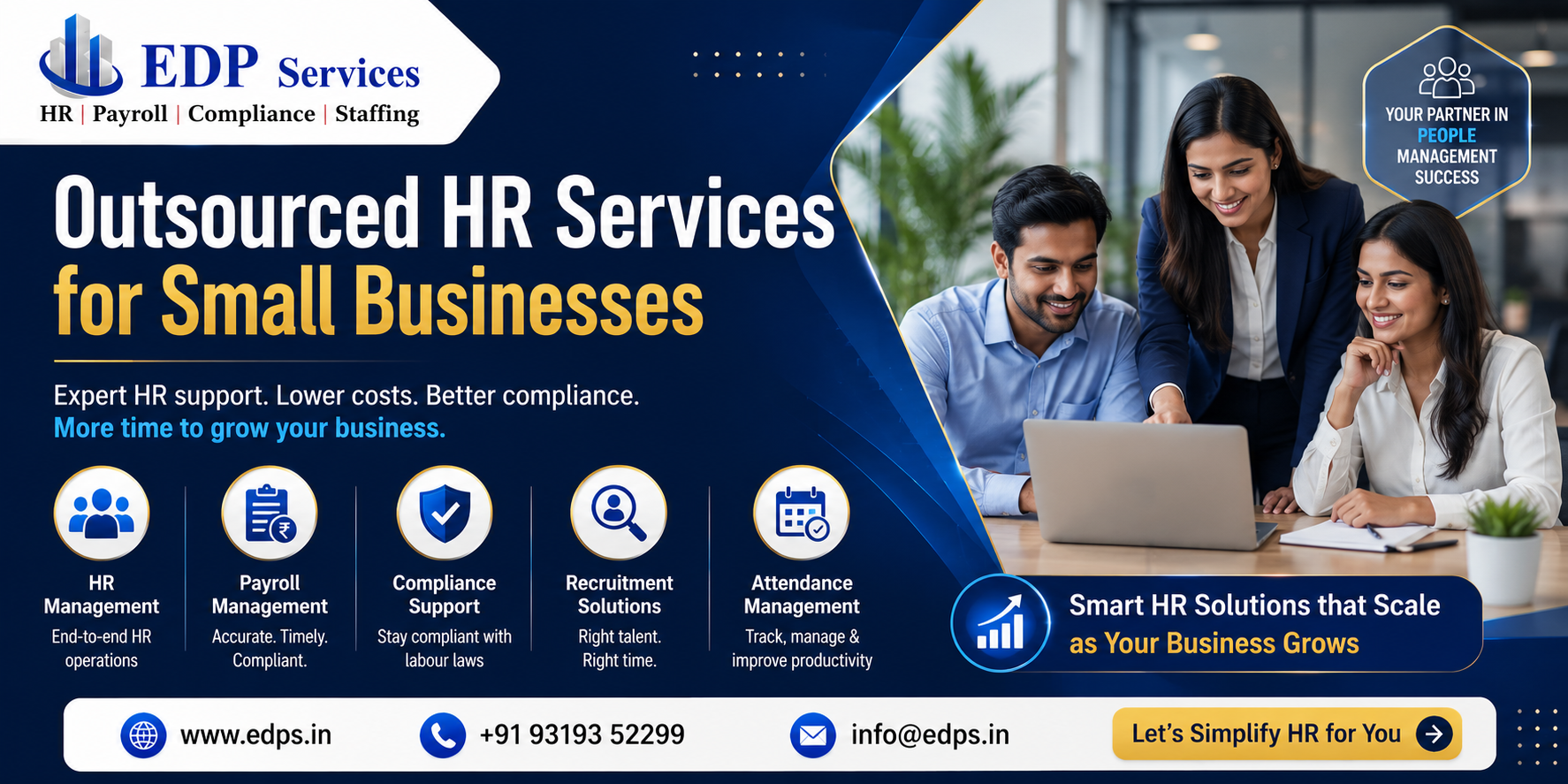
Outsourced HR services are arrangements with outside HR providers who handle some or all of a company’s daily human resource tasks. A business is able to turn a large internal HR team into specialist assistance only when it needs it.
HR outsourcing may include, as determined by the mutual agreement:
- Payroll processing and payslips
- Recruitment and onboarding
- Attendance and leave management
- Employee records and HR documentation
- Statutory compliance support
- Employee lifecycle administration
- Workforce management and reporting
As outsourcing does not transfer all HR responsibilities to the service provider, the exact scope should always be written down.
Why Small Businesses Consider HR Outsourcing
The most common reason is generally practical rather than theoretical: juggling HR administration diverts time and resources from the core business.
If the business is growing and has 20, 50, or 100 employees, it may not need a full-time HR department. This is where small business HR outsourcing can provide specialist support without having to manage every HR function in-house.
Key advantages include:
1. Less Administrative Work
Management spends extensive hours on routine tasks like keeping employee records, handling attendance data, and processing payroll. Outsourcing can help business owners and managers stay more attuned to customers, operations, and the task of growing a company.
2. Access to HR Expertise
Most small businesses are likely not to have an HR professional with technical knowledge regarding payroll processes, recruitment, employment documentation, and compliance requirements. You will benefit from an experienced provider bringing dedicated HR knowledge and established processes.
3. More Structured Payroll
Payroll is not just about calculating basic salaries. This may include calculations for attendance, leave, deductions and reimbursements, incentives, and statutory requirements, to name a few. With payroll outsourcing, you can have a more orderly process with clear checks and reporting.
4. Support With Compliance
Compliance for employment will vary based on the workforce, location of business and what legislation applies. HR compliance services will help businesses with documentation organization, processes and applicable filings. Employers must cross-check requirements against current legislative guidance and should always seek qualified legal advice where appropriate.
5. Better Recruitment and Onboarding
Recruitment becomes harder when business owners have to source candidates, screen applications, coordinate interviews, and complete joining documentation themselves. Recruitment and onboarding services can create a more consistent process from candidate selection through joining.
What HR Functions Can Be Outsourced?
Outsourcing can be overly useful for a small business to not entirely outsource everything. More often than not, a selective or hybrid approach may yield better results.
Payroll Processing
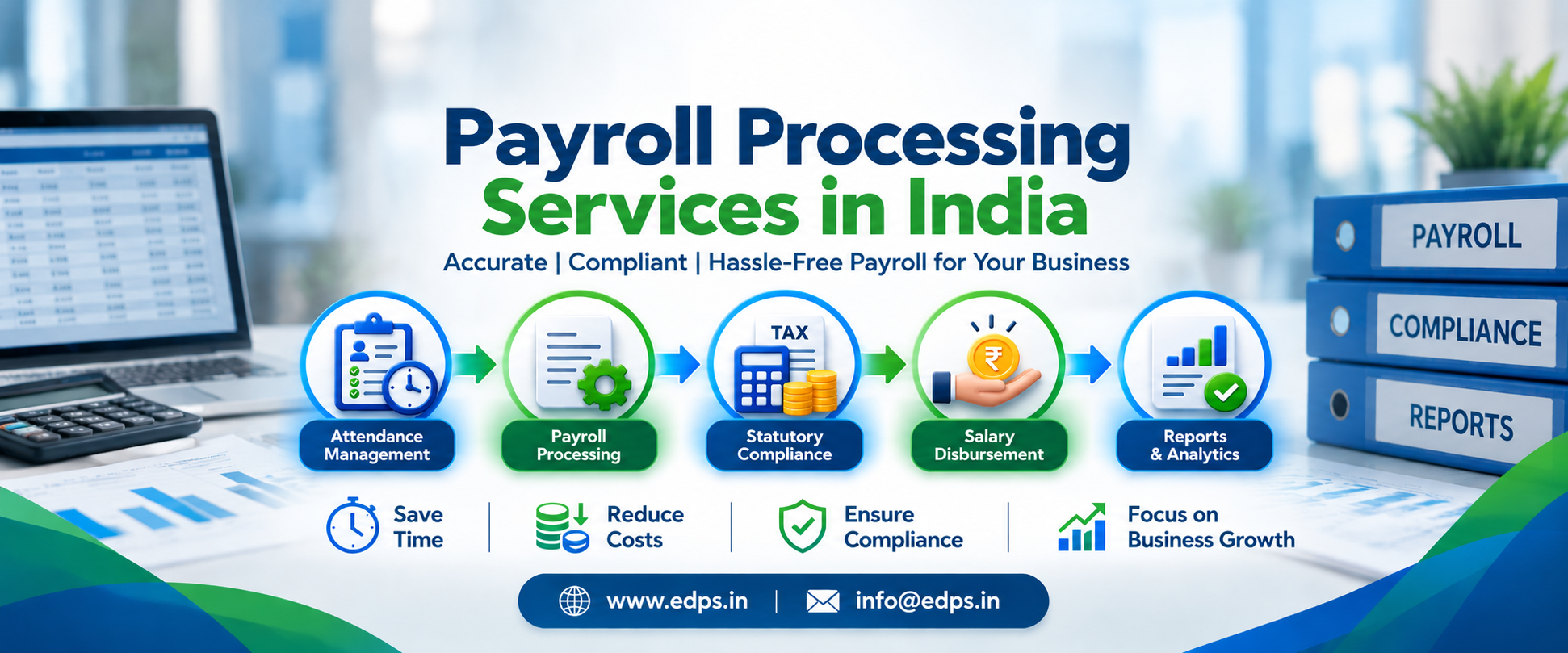
Payroll outsourcing can cover a range of payroll processes such as salary calculations, deduction processing, payslip generation & other payroll reports with necessary administrative work.
Recruitment and Talent Acquisition
Hiring support from outside may include sourcing, shortlisting, and scheduling interviews or onboarding formalities.
Employee Onboarding
A structured onboarding program makes sure all labor documents, Employee Data and necessary documentation are duly filled-out.
Attendance and Leave Management
Digital attendance management systems allow you to control and monitor attendance, shifts & leave by capturing the required information for payroll processing.
HR Documentation
The records of the employees, files and forms to fill up as required by HR will also be done through defined processes.
Statutory Compliance Support
This may also include support for PF, ESI, professional tax and various labour-related records, along with some statutory processes depending on the business nature and applicable requirements.
Employee Lifecycle and Workforce Management
And HR help could go much past joining moments. Structured processes can also help manage the employee lifecycle—covering HR administration, performance reviews, and exit formalities.
How Does EDP Services Support Businesses?
EDP Services is a pioneer in HR outsourcing and workforce solutions, offering services such as payroll, recruitment, manpower outsourcing & other value-added services, including the entire gamut of HR compliance, time and attendance management And all hrms Related service. According to its website, the company was founded in 1995 and offered recruitment and outsourcing services for businesses within India.
Its HR outsourcing services cover payroll processing, compliance with statutory requirements support, recruitment and onboarding, time & attendance management, as well as employee lifecycle support. EDP Services identifies using cloud-based HR technology for centralized human resource data as well as employee self-service and reporting.
For a small business, this model can be beneficial almost immediately in terms of the co-ordinating and enabling professional HR with technology-enabled processes rather than continuing to use spreadsheets, email, and manual records for everything.
How to Choose the Right HR Outsourcing Partner?
Price shouldn't be the only consideration. Before signing an agreement, evaluate:
- Relevant HR expertise: Does the provider understand your workforce and industry?
- Service scope: Clearly identify what is included and excluded.
- Compliance capability: Ask how applicable statutory requirements are monitored and documented.
- Payroll controls: Understand the review, approval, and correction process.
- Data security: Employee and payroll information requires appropriate access controls and confidentiality.
- Technology: Check whether attendance, payroll, reporting, and employee records can be managed efficiently.
- Communication: Know who will handle queries and escalations.
- Scalability: The provider should be able to support workforce growth.
- Pricing transparency: Understand fees, additional charges, and responsibilities.
- Service agreements: Define deliverables, timelines, responsibilities, and support expectations.
Is HR Outsourcing Right for Your Small Business?
No single solution is applicable to all organisations. When HR administration is consuming management time, payroll is becoming difficult to control, recruitment is increasing, or compliance processes require specialist support, outsourcing can be a logical choice.
On the other hand, a business with complex employee relations, strong internal HR requirements, or a need for dedicated strategic HR leadership may benefit from hiring an internal HR professional.
For many growing companies, a hybrid model works well: outsource administrative HR, payroll, or compliance support while keeping key people-management and business decisions in-house.