
Payroll Automation for Healthcare Companies: Streamline Operations and Boost Efficiency
In today’s fast-paced healthcare industry, managing payroll efficiently is no longer optional—it’s essential. Payroll automation for healthcare companies is transforming the way organizations handle employee compensation, compliance, and reporting. From hospitals and clinics to home healthcare services, automating payroll not only reduces administrative burden but also minimizes errors, ensures compliance with labor laws, and frees up staff to focus on patient care.
Why Payroll Automation Matters in Healthcare?
Healthcare organizations face unique payroll challenges:
- Complex Staffing Models: Multiple shifts, part-time, full-time, and contract staff.
- Overtime Calculations: Frequent overtime and emergency shift payments.
- Regulatory Compliance: Strict labor laws, tax regulations, and union agreements.
- Error-Prone Manual Processes: Paper-based or spreadsheet payroll is time-consuming and risky.
Key Benefits Include:
- Time Savings: Automation significantly reduces payroll processing time.
- Accuracy: Eliminates human errors in calculations, deductions, and reporting.
- Compliance Assurance: Keeps your organization aligned with tax laws, labor regulations, and healthcare-specific mandates.
- Employee Satisfaction: Faster and accurate payments improve morale.
- Data Insights: Real-time analytics on labor costs, overtime trends, and budget planning.
How Payroll Automation Works in Healthcare?
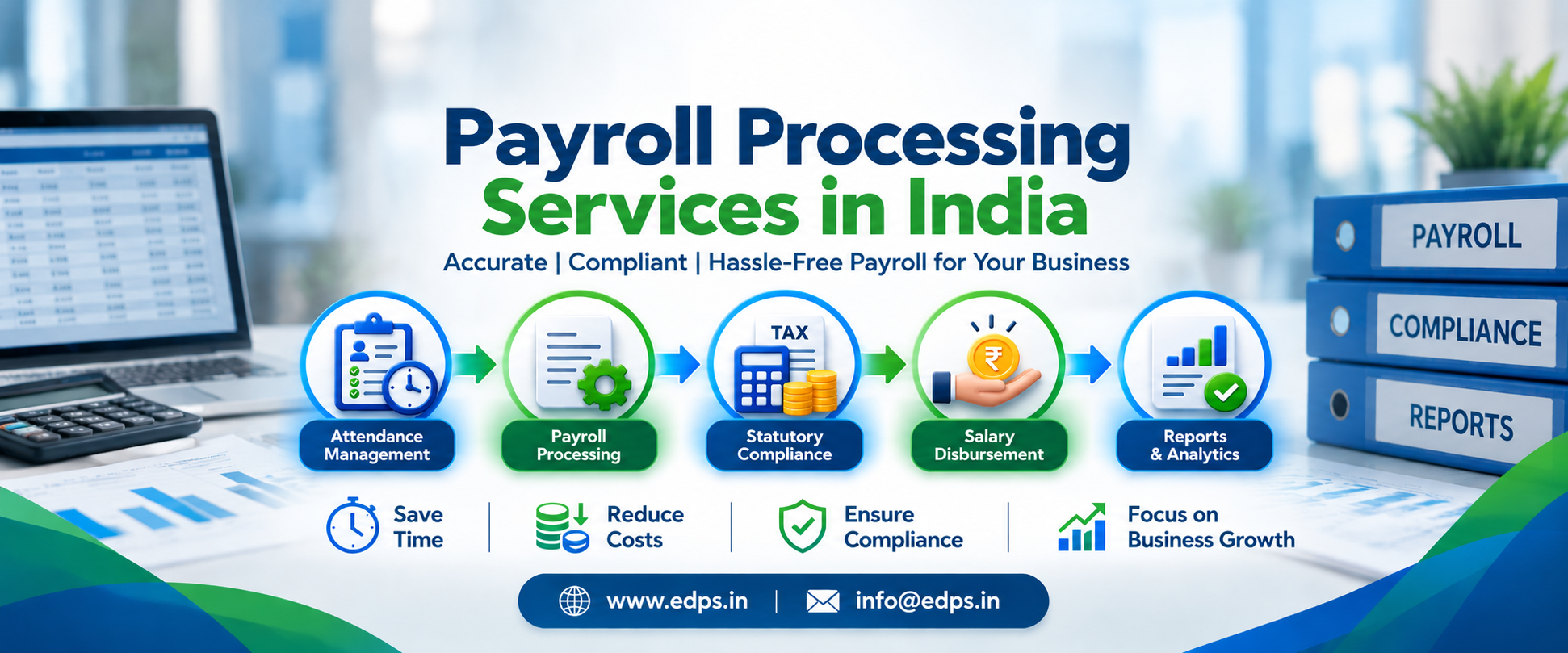
Payroll automation combines software, cloud-based platforms, and integration tools to manage employee compensation. Here’s how it typically works:
- Data Collection: Hours worked, leave, and shift details are recorded digitally.
- Calculation Engine: The software calculates wages, overtime, bonuses, and deductions automatically.
- Tax and Compliance Management: Automated calculation and filing of payroll taxes and benefits.
- Disbursement: Payments are sent via direct deposit or payroll cards.
- Reporting and Analytics: Generates real-time reports for management review.
Example: A medium-sized clinic with 150 staff can reduce payroll processing from 2 days manually to a few hours with automation, freeing the HR team for patient-focused tasks.
Best Practices for Implementing Payroll Automation
1. Choose Healthcare-Specific Payroll Software
Look for solutions designed to handle multiple pay rates, shift differentials, and integration with EHR and scheduling software.
2. Ensure Data Accuracy
Accurate employee information, including hours worked and tax details, is essential for error-free payroll.
3. Maintain Compliance
Ensure the system updates automatically for federal, state, and local labor laws, including ACA compliance in the U.S.
4. Integrate with HR and Accounting Systems
Seamless integration with HR, scheduling, and accounting platforms improves efficiency and eliminates duplicate data entry.
5. Train Your Team
Staff should be trained on using the system effectively, understanding reports, and troubleshooting issues.
Key Features to Look for in Healthcare Payroll Automation Software
| Feature | Benefit |
|---|---|
| Automated Time Tracking | Reduces manual entry errors and overtime miscalculations |
| Direct Deposit & Payment Flexibility | Ensures timely and secure payments to staff |
| Tax Filing Automation | Avoids penalties and ensures compliance |
| Reporting & Analytics | Provides insights for staffing and budget planning |
| Employee Self-Service | Staff can view payslips, benefits, and leave balances |
Common Challenges and How to Overcome Them
- Resistance to Change: Educate staff on time-saving benefits.
- Data Migration Issues: Ensure accurate transfer from old systems.
- Integration Complexity: Choose software with pre-built healthcare integrations.
- Cost Concerns: Consider long-term ROI through efficiency and reduced errors.
Practical Tips for Healthcare Companies
- Start small: Pilot automation in one department before full-scale implementation.
- Regular audits: Review automated payroll reports periodically to ensure accuracy.
- Update policies: Ensure leave, overtime, and benefits policies align with automation logic.
- Leverage analytics: Use data to optimize staffing, reduce overtime costs, and forecast budgets.
FAQs About Payroll Automation for Healthcare Companies
Q1: Is payroll automation suitable for small healthcare practices?
Yes, even small clinics and private practices can benefit from automation to reduce administrative burden and prevent costly errors.
Q2: How much time can healthcare companies save with payroll automation?
On average, organizations save 40–60% of payroll processing time, depending on staff size and complexity.
Q3: Does automation ensure compliance with labor laws?
Most modern payroll software includes updates for federal, state, and healthcare-specific labor regulations, minimizing compliance risks.
Q4: Can payroll automation handle complex shift schedules?
Yes, advanced systems accommodate multiple shifts, overtime, and variable pay rates common in healthcare.
Q5: Is it expensive to implement payroll automation?
While there is an upfront cost, the ROI is significant due to reduced errors, time savings, and compliance risk mitigation.
Conclusion
Payroll automation for healthcare companies is no longer a luxury—it’s a necessity. By embracing automation, healthcare providers can reduce administrative overhead, ensure compliance, pay employees accurately and on time, and gain actionable insights to improve operational efficiency. Implementing the right system, training staff, and integrating payroll with HR and scheduling tools are essential steps to fully leverage automation benefits.